


-

Add: HeBei ShengShi HongBang Cellulose Technology CO.,LTD.
-

Email
13180486930@163.com -

CONTACT US
+86 13180486930
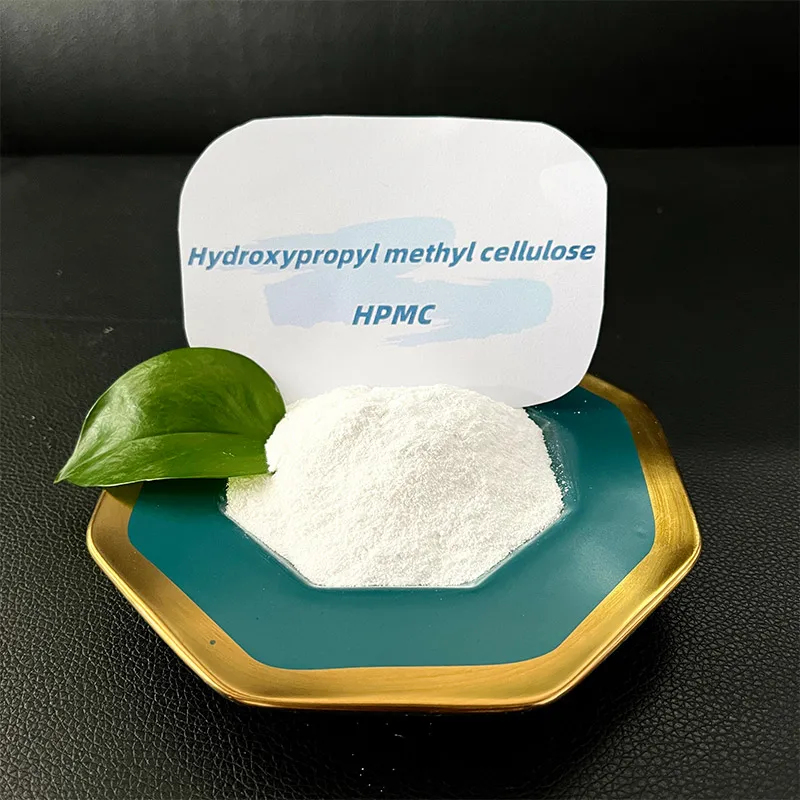


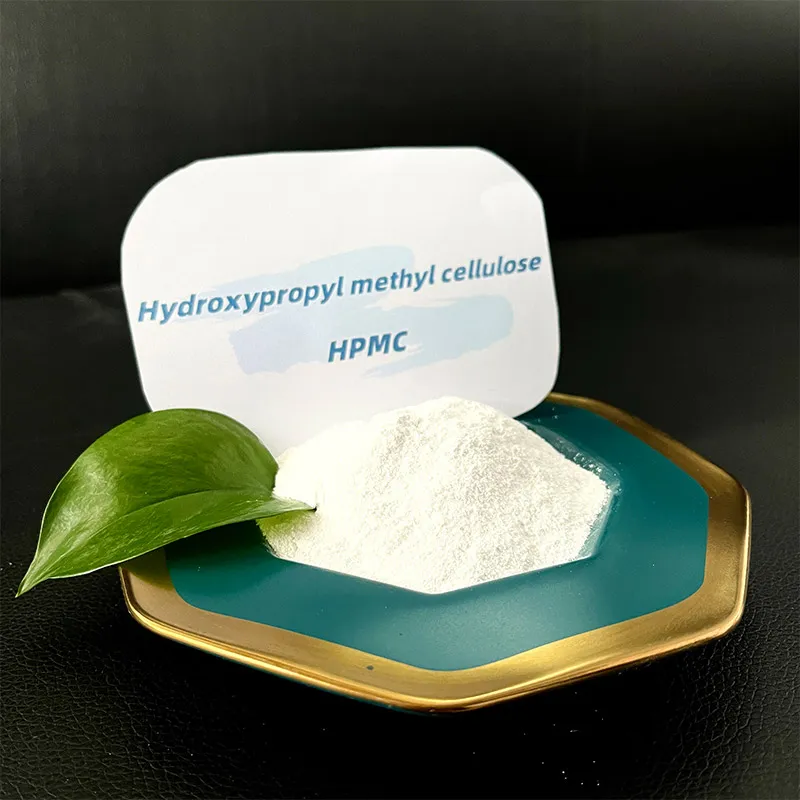
Understanding the properties and applications of HPMC K15M viscosity is critical for industries ranging from pharmaceuticals to construction. Hydroxypropyl methylcellulose (HPMC) is a multifunctional compound used primarily for its thickening and stabilizing properties. The alphanumeric code K15M denotes a particular viscosity grade that plays a significant role in determining its application suitability. When discussing the viscosity of HPMC K15M, we refer to the measure of its resistance to flow. Viscosity impacts the performance of HPMC in various formulations; hence, understanding its breadth can enhance application outcomes. The viscosity of HPMC K15M lies typically between 12,000 to 18,000 mPa.s, measured in a 2% solution at 20°C. This specific viscosity makes it a versatile option for formulations requiring medium to high viscosity levels. In pharmaceutical applications, the HPMC K15M grade finds extensive use in controlled release formulations. It acts as an essential component in hydrophilic matrices designed to extend the release of active pharmaceutical ingredients (APIs). The high viscosity of HPMC K15M provides a protective gel barrier when it comes in contact with gastrointestinal fluids. This gel barrier modulates the diffusion of APIs, thereby achieving a precise drug release profile. The expertise in formulating these controlled release systems requires a detailed understanding of how HPMC's viscosity interacts with other ingredients and its impact on overall pharmacokinetics. Beyond pharmaceuticals, HPMC K15M is pivotal in the construction industry, particularly in tile adhesives and mortars. The compound's viscosity contributes to increased water retention which ensures a longer open time and improves the workability of the mixtures. Experience shows that formulations including HPMC K15M provide superior consistency and adhesive strength. The expertise in balancing viscosity with other mechanical properties can result in end-products that are more durable and efficient. In the realm of food products, HPMC K15M serves as a thickening agent . It enhances the texture and stability of various food items without altering their taste or color. For instance, in gluten-free products, HPMC K15M imparts the necessary dough elasticity, ensuring the product mimics traditional gluten-containing bread or pastries. The authority in food science recognizes the importance of such ingredients in creating innovative and consumer-friendly products. In this context, the trustworthiness of HPMC K15M is underscored by its acceptance by food safety authorities, such as the FDA, recognizing it as safe for consumption. hpmc k15m viscosity Moreover, from a sustainability standpoint, HPMC K15M is derived from cellulose, the most abundant organic polymer on Earth. This aligns with eco-friendly production goals across various industries seeking to diminish their environmental footprint. The utilization of HPMC K15M reflects a knowledgeable approach to integrating green chemistry principles in commercial manufacturing processes, further establishing its role in sustainable product development. Finally, the trustworthiness of this compound can be best understood through its consistent performance and regulatory compliance. Industries leveraging HPMC K15M in their formulations benefit from its predictable behavior across different environments and its conformance to stringent quality standards. To maximize HPMC K15M’s potential, industries continue to innovate in formulation techniques. Advanced research focuses on how modifying HPMC’s chemical structure could lead to even more versatile applications and improved product qualities. Yet, as it stands, the benefits provided by the unique viscosity profile of HPMC K15M remain a cornerstone in both high-performance and routine applications. Thus, the exploration of HPMC K15M's viscosity is not merely a technical exercise but a pathway to improved product performance and innovation across multiple industries. Whether enhancing drug delivery mechanisms, improving construction materials, refining food textures, or driving eco-friendly practices, HPMC K15M stands as a testament to the intersection of science and industrial application.
- 40000tons

Production
- 20+years

Experience
- 5000+㎡

Acreage

-
Rubber powder is a versatile and high-performance material widely used across various industries. Known for its excellent properties, rubber powder is derived from the recycling of waste rubber products and can be used to enhance the properties of a variety of products, including construction materials, automotive parts, and industrial goods. Whether you are looking to improve the strength, flexibility, or durability of your products, rubber powder is the solution you need. Explore the various benefits and applications of this innovative material, and make your products stronger and more sustainable. Rubber Powder for Sale: High-Quality Options for Every Need Looking for rubber powder for sale ? We offer a wide selection of high-quality rubber powder products to meet the demands of various industries. Our rubber powder for sale comes in different grades and specifications, so you can find the perfect match for your needs. Whether you need rubber powder for construction, automotive, or any other application, our products are designed to deliver exceptional performance, durability, and cost-efficiency. Browse our range of rubber powder for sale today and get the best value for your projects. Natural Rubber Powder: Sustainable and High-Performance Natural rubber powder is made from renewable resources and is an eco-friendly alternative to synthetic materials. It offers a range of performance benefits, including enhanced flexibility, shock absorption, and resistance to wear and tear. Natural rubber powder is widely used in the manufacturing of rubber compounds, playground surfaces, sports tracks, and more. By incorporating natural rubber powder into your products, you can create sustainable solutions that do not compromise on performance. Choose natural rubber powder for superior quality and environmental responsibility in your applications. Nitrile Rubber Powder: The Ultimate Solution for Industrial Applications When it comes to industrial applications, nitrile rubber powder is the go-to choice for many manufacturers. Known for its excellent resistance to oils, solvents, and chemicals, nitrile rubber powder is used in a variety of industrial products, including seals, gaskets, and protective coatings. By adding nitrile rubber powder to your materials, you can significantly enhance their durability and performance, especially in environments exposed to harsh chemicals and extreme conditions. Whether you are looking to improve the longevity or the functionality of your industrial products, nitrile rubber powder is the ideal solution. Why Choose Our Rubber Powder for Your Projects? Our range of high-quality rubber powder products, including natural rubber powder and nitrile rubber powder , is designed to meet the highest industry standards. With years of expertise in the field, we ensure that every batch of rubber powder is carefully processed and tested for quality. Our products are available at competitive prices, so you get the best value for your money without compromising on quality. Whether you are in construction, automotive, or any other industry, we provide the right rubber powder to improve the performance, durability, and sustainability of your products. Trust us to supply you with top-quality rubber powder for all your business needs. Rubber Powder FAQs What is rubber powder used for? Rubber powder is widely used in various industries to improve the properties of products, including construction materials, automotive parts, and industrial goods. It enhances the flexibility, durability, and strength of materials, making it ideal for use in coatings, adhesives, and flooring. Additionally, rubber powder is commonly used in manufacturing rubber compounds, playground surfaces, and sports tracks due to its excellent shock absorption and wear resistance properties. Where can I buy rubber powder for sale? We offer a wide range of rubber powder for sale , including natural rubber powder and nitrile rubber powder , designed to meet the specific needs of your project. Browse our online catalog to discover the best options for your requirements, and reach out to us for further inquiries. What is natural rubber powder? Natural rubber powder is made from natural latex rubber, which is derived from the rubber tree. It is a sustainable, eco-friendly material used to enhance the properties of various products. Natural rubber powder is known for its excellent flexibility, impact resistance, and shock-absorbing qualities, making it an ideal choice for applications in construction, flooring, and rubber compounds. What is nitrile rubber powder and how is it used? Nitrile rubber powder is a type of synthetic rubber that offers superior resistance to oils, chemicals, and solvents. It is commonly used in industrial applications, including seals, gaskets, protective coatings, and various automotive components. Nitrile rubber powder is an excellent choice when durability and resistance to harsh conditions are required. Why should I choose your rubber powder for my projects? Our rubber powder products, including natural rubber powder and nitrile rubber powder , are sourced and processed to the highest standards to ensure exceptional performance. We offer competitive pricing and flexible options, making it easy for you to get the right rubber powder for your project. Whether you need rubber powder for sale for construction, automotive, or industrial use, we provide the highest quality materials that guarantee long-lasting results and improved product performance.
-
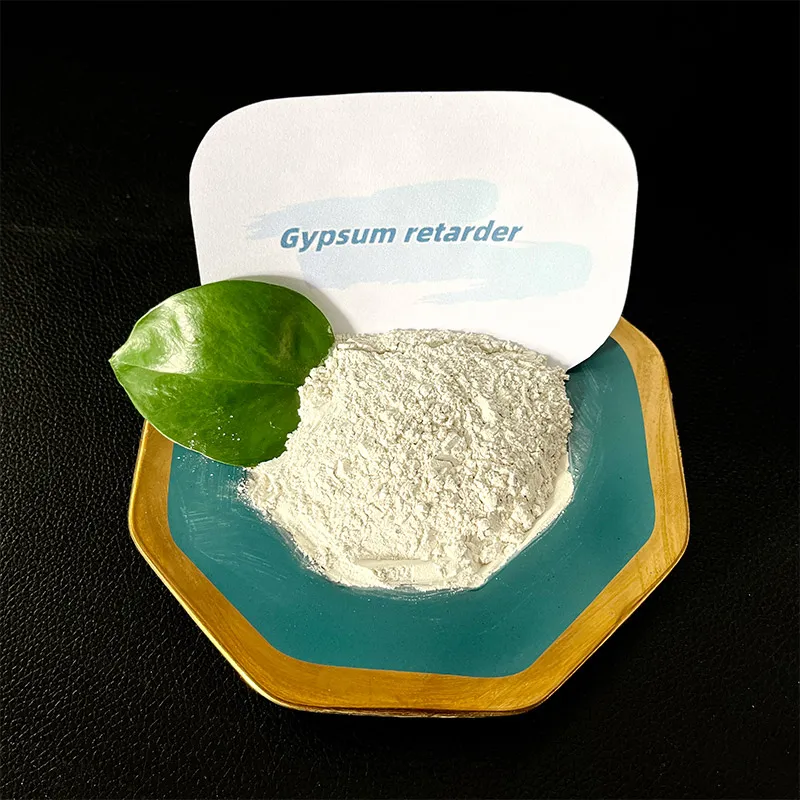
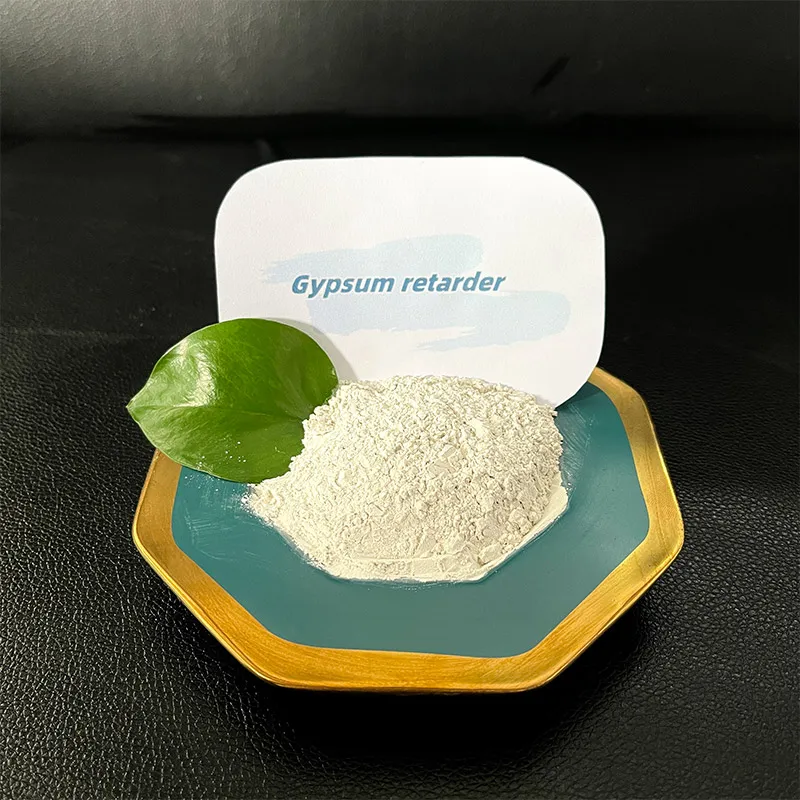
In the construction industry, particularly in plastering, retarder in gypsum plays a crucial role in enhancing the workability and performance of gypsum-based products. A gypsum retarder is an additive that slows down the setting time of gypsum, allowing workers to apply the material more easily and with more flexibility. This becomes particularly useful in large-scale applications, where time management and smooth application are essential for achieving high-quality finishes. The addition of a gypsum retarder not only prevents premature setting but also enhances the material’s usability, making it easier for workers to mix, spread, and smooth out the plaster on walls and ceilings. This is especially beneficial in high-traffic projects or in situations where multiple layers of plaster need to be applied. The retarder in gypsum ensures that the plaster doesn't set too quickly, which could result in uneven surfaces or unfinished work. One of the key advantages of using a gypsum retarder is that it gives professionals the extra time they need to adjust and perfect their work. It allows for consistent results even under tight deadlines or in difficult conditions, which is crucial in construction and renovation projects where precision is key. The Importance of Easy Mix Plaster Retarder for Efficient Workflows An easy mix plaster retarder is an essential tool for any professional working with plaster or gypsum. This type of retarder is specifically designed to simplify the mixing process, enabling workers to achieve the ideal consistency without the stress of rushed drying times. With an easy mix plaster retarder , workers can focus on getting the plaster to the right consistency before it starts setting, resulting in a smoother and more durable finish. What makes an easy mix plaster retarder particularly beneficial is its ability to maintain the material’s workability for extended periods, even in hot weather, which can otherwise cause plaster to set too quickly. By introducing a retarder into the mix, it is possible to maintain optimal plaster consistency and extend working time, ensuring no material is wasted and the application remains flawless. Moreover, the easy mix plaster retarder helps achieve more uniform plaster layers, ensuring consistent thickness and adhesion across the surface. This is particularly important when working on larger surfaces or projects that require more attention to detail, like ornate ceilings or walls with intricate designs. How a Gypsum Retarder Enhances Performance in Plastering Using a gypsum retarder is not just about slowing down the setting time of plaster—it also improves the overall performance of the material in plastering applications. Gypsum, when mixed without a retarder, can harden too quickly, leaving workers with limited time to achieve a smooth and even application. A gypsum retarder allows workers more time to manipulate the material, leading to more precise and even results. In addition to improving the ease of application, a gypsum retarder can also enhance the final appearance of the plaster. It helps to reduce the likelihood of cracking or shrinking during the curing process, which can be caused by the rapid setting of gypsum. By using a gypsum retarder , the material stays workable for longer periods, ensuring a smooth finish that is free of imperfections. This extended working time also gives workers the flexibility to apply multiple coats of plaster without the risk of the first layer setting prematurely. This is especially important in projects that require thicker layers of plaster, such as when leveling uneven walls or creating decorative features. The Advantages of Using Retarders in Gypsum-Based Materials The application of retarder in gypsum offers multiple benefits to both construction professionals and the quality of the final product. The most immediate advantage is the extended working time it provides, which enables workers to achieve a more consistent and high-quality finish. Without a retarder, gypsum can set too quickly, leading to poor application, uneven surfaces, and wasted material. Another advantage of gypsum retarders is that they improve the overall strength and durability of the plaster. When gypsum sets too quickly, it can result in cracks and an uneven texture, which diminishes the overall strength of the wall or surface. By using a gypsum retarder , the material sets gradually, allowing it to form a stronger bond and reducing the likelihood of cracks or weak points in the plaster. Additionally, gypsum retarders can be especially useful in larger projects or those requiring complex designs. The extra working time ensures that workers can complete large areas of plastering without the pressure of fast-setting materials, which is crucial for ensuring consistency and a high-quality finish across the entire surface. What is the Best Time to Use a Retarder in Gypsum? Using a retarder in gypsum is an effective way to extend the working time of plaster and improve the overall quality of the finish. However, it is important to know when and how to use a gypsum retarder for optimal results. For example, it is particularly useful when working in warm environments, as high temperatures can cause gypsum to set too quickly. In these conditions, adding a gypsum retarder will give workers more time to smooth and perfect the plaster without the fear of premature setting. Another scenario where a gypsum retarder is beneficial is when working on intricate plaster designs. These require more time for careful application and finishing, and a retarder can prevent the plaster from hardening before the design is complete. This is crucial for decorative plastering, where precision and smoothness are key. gypsum retarder FAQs What is a gypsum retarder used for? A gypsum retarder is an additive used to slow down the setting time of gypsum-based products. It allows workers to apply and work with the plaster over an extended period, ensuring a smooth and even finish without the material setting too quickly. How does a gypsum retarder affect the drying time? A gypsum retarder extends the drying time of gypsum by delaying the chemical reaction that causes it to set. This gives workers more time to manipulate the material, apply it properly, and achieve a better final result without the pressure of rapid setting. Can a gypsum retarder be used in all types of plastering projects? Yes, a gypsum retarder can be used in most plastering projects where extended working time is needed, such as large-scale applications, intricate designs, or when working in high-temperature environments. It ensures that the plaster remains workable and manageable for longer periods. What is the difference between a gypsum retarder and an easy mix plaster retarder? While both types of retarders slow down the setting time, an easy mix plaster retarder is specifically formulated to simplify the mixing process, making it easier to achieve the right consistency. On the other hand, a gypsum retarder is designed to work specifically with gypsum-based products, improving their overall workability and performance. Are there any downsides to using a gypsum retarder? While gypsum retarders offer many benefits, overuse can lead to a weaker final product or extended curing times. It is important to follow manufacturer guidelines and use the retarder as needed to avoid any potential negative effects on the material’s final strength.
advantages
-

200000 Viscosities
Excellent product
We can produce pure products up to 200,000 viscosities
-

40000 tons
High yield
We don’t stop production all year round, and the annual output can reach 40,000 tons
-

24 hours
Quality service
We provide 24-hours online reception service, welcome to consult at any time
———— Inquiry Form
Schedule A services
-
 modified_starch_industry
Oct . 25, 2025
HPMC eye ointment has emerged as a revolutionary product in the realm of optical care, offering reli -
 modified_starch_types
Oct . 25, 2025
Hydroxypropyl Methylcellulose (HPMC) has emerged as a crucial ingredient in various industries, with -
 hpmc_e5_solubility
Oct . 25, 2025
Hydroxypropyl methylcellulose (HPMC) has rapidly gained prominence in various industries due to its


